
The Future of AI in Digital Marketing: Opportunities & Challenges
Artificial Intelligence (AI) is reshaping the way businesses connect with customers, from personalized campaigns to predictive analytics. This blog explores the future of AI in digital marketing, highlighting the biggest opportunities like automation, chatbots, and data-driven strategies, while also addressing challenges such as privacy concerns, ethical dilemmas, and over-dependence on technology. Perfect for marketers, business owners, and entrepreneurs, this post uncovers how AI can unlock growth while demanding a balanced, human-centered approach.
Introduction
Artificial Intelligence (AI) is rapidly becoming the backbone of modern digital marketing. From chatbots that provide instant customer support to algorithms that predict consumer behavior, AI is helping businesses deliver smarter, faster, and more personalized experiences. In today’s competitive world, where customer expectations are constantly evolving, AI enables marketers to move beyond guesswork and make data-driven decisions.
However, while AI offers remarkable opportunities to optimize campaigns and drive growth, it also comes with its own set of challenges—ranging from high implementation costs to concerns around data privacy and ethical use. Understanding both sides is crucial for businesses that want to stay ahead in the digital era.
Oppurtunities of AI in Digital Marketing
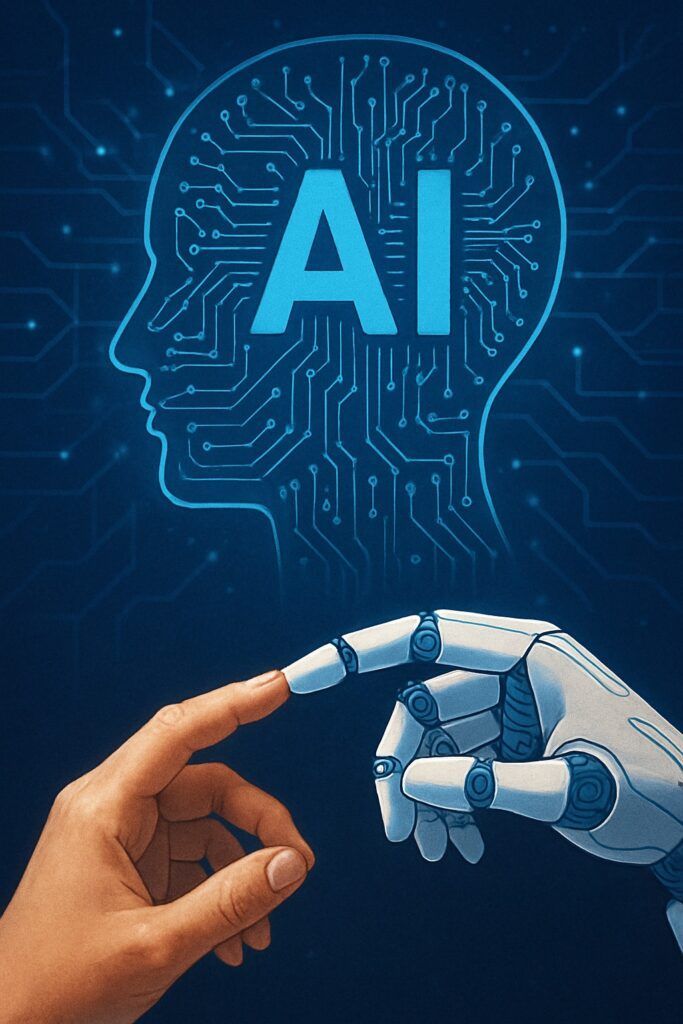
1. Personalized Customer Experiences
AI allows businesses to analyze user behavior, browsing history, and purchase patterns to deliver hyper-personalized content. This means customers see exactly what they want, increasing engagement and conversion rates. Platforms like Netflix and Amazon already use AI to recommend products or shows tailored to user preferences.
2. Enhanced Customer Support with Chatbots
AI-powered chatbots are revolutionizing customer service. They can answer FAQs, handle basic queries, and even assist with sales 24/7. This reduces wait times and improves customer satisfaction, while saving costs for businesses.
3. Dependence on Quality Data
AI’s effectiveness depends on the quality of data fed into it. Inaccurate or incomplete data can lead to poor predictions and irrelevant recommendations, hurting customer trust.
4. Job Displacement Concerns
While AI creates efficiency, it also raises fears of replacing human jobs, especially in customer support and content creation. Balancing automation with human creativity will be key in the future.
5. Lack of Human Touch
AI can personalize messages, but it cannot fully replicate empathy and creativity. Customers still value human connections, and businesses must find ways to combine AI efficiency with genuine human engagement.
Challenges of AI in Digital Marketing

1. High Implementation Costs
Integrating AI tools into marketing systems can be expensive, especially for small businesses. From purchasing AI software to hiring skilled professionals, the upfront cost may discourage some companies.
2. Data Privacy & Security Issues
AI relies heavily on consumer data. With growing concerns around data breaches and privacy regulations (like GDPR), businesses must ensure they are collecting and using customer information responsibly. Mismanagement can lead to legal and reputational risks.
3. Dependence on Quality Data
AI’s effectiveness depends on the quality of data fed into it. Inaccurate or incomplete data can lead to poor predictions and irrelevant recommendations, hurting customer trust.
4. Job Displacement Concerns
While AI creates efficiency, it also raises fears of replacing human jobs, especially in customer support and content creation. Balancing automation with human creativity will be key in the future.
5. Lack of Human Touch
AI can personalize messages, but it cannot fully replicate empathy and creativity. Customers still value human connections, and businesses must find ways to combine AI efficiency with genuine human engagement.
6. Ethical Concerns in Marketing
AI algorithms can sometimes reinforce biases. For example, ad targeting might unintentionally discriminate against certain groups. Ensuring fairness and transparency in AI-driven marketing will remain a challenge.
Conclusion
The future of digital marketing is undoubtedly AI-driven. From personalization and predictive analytics to smarter ads and chatbots, AI is reshaping how businesses interact with customers. However, challenges like high costs, data privacy concerns, and the lack of a human touch cannot be ignored.
The key for businesses lies in striking a balance: leveraging AI for efficiency while maintaining human creativity and empathy. Those who can master this balance will not just survive but thrive in the evolving digital landscape.